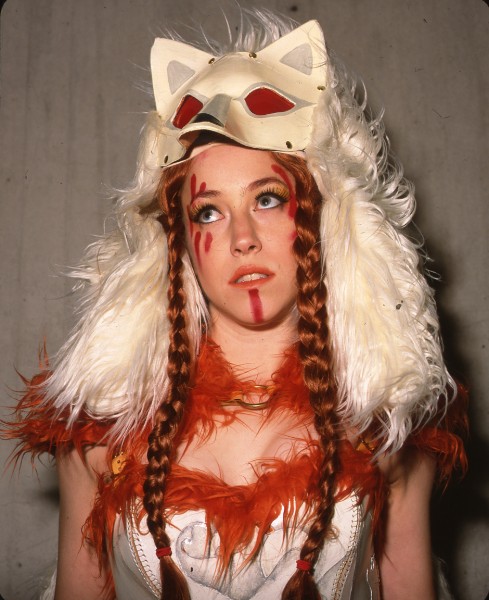
 One of the many costumed attendees at the Comic-con.
I used a TL-120 with Vivitar 285H flash/plastic diffusor. Provia 100F pushed one stop. I love the”hyper-realistic” portraits the TL-120 can produce.
One of the many costumed attendees at the Comic-con.
I used a TL-120 with Vivitar 285H flash/plastic diffusor. Provia 100F pushed one stop. I love the”hyper-realistic” portraits the TL-120 can produce.
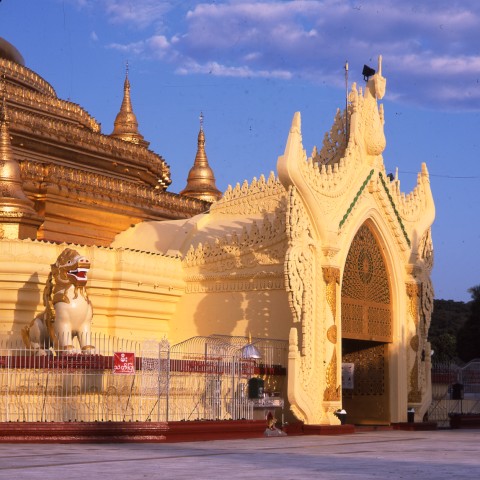 This is a smaller pagoda that is near Yangon’s Shwedegon Pagoda.
Photographed with twin Mamiya C220 TLRs using 135mm lenses and a tripod.
Provia 100F pushed one stop, exposure was probably 1/125 @f22.
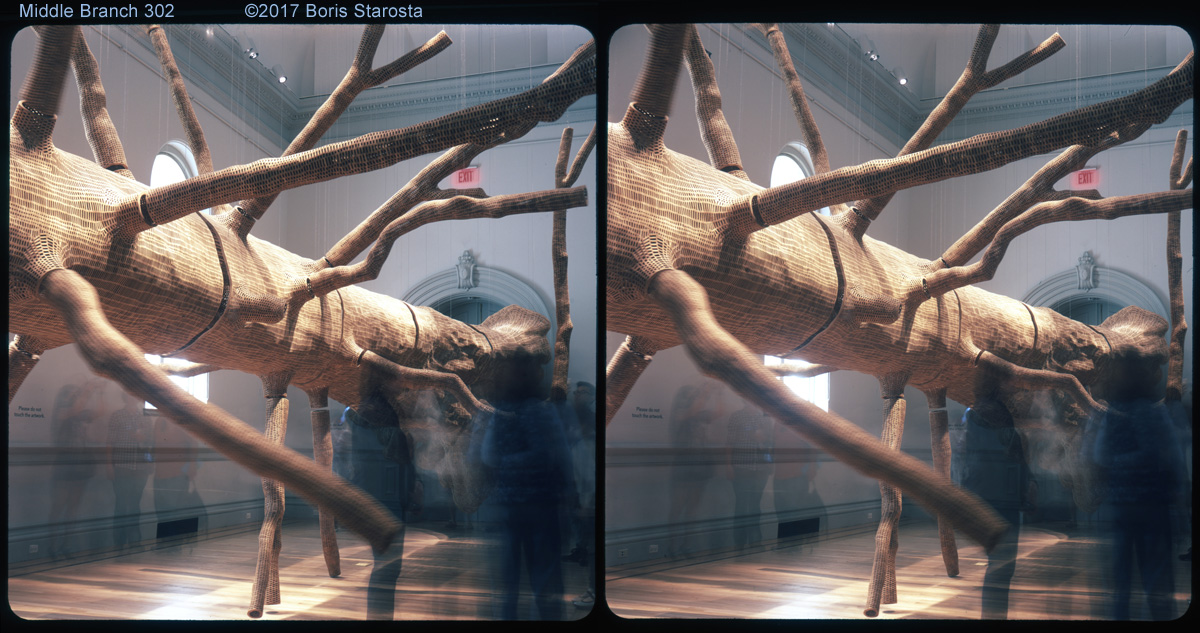
Last year we went to an exhibition of installation artists called “Wonder” at the Renwick Gallery in Washington, DC. Several artists made very interesting pieces for this show. Using hundreds of thousands of pieces of reclaimed, old-growth cedar, John Grade built an intricate structure – Middle Fork – based on plaster casts taken of a massive, old-grown hemlock tree in the Cascade Mountains. At Wonder, I shot cha-cha’s with my Sigma DP1-M and a Sputnik. Tripods were not allowed, but I was incredibly lucky: each room in the Renwick had a fairly broad chair rail along the wall, wide enough to give good support to the Spud. The exposures were typically 15 to 30 seconds.
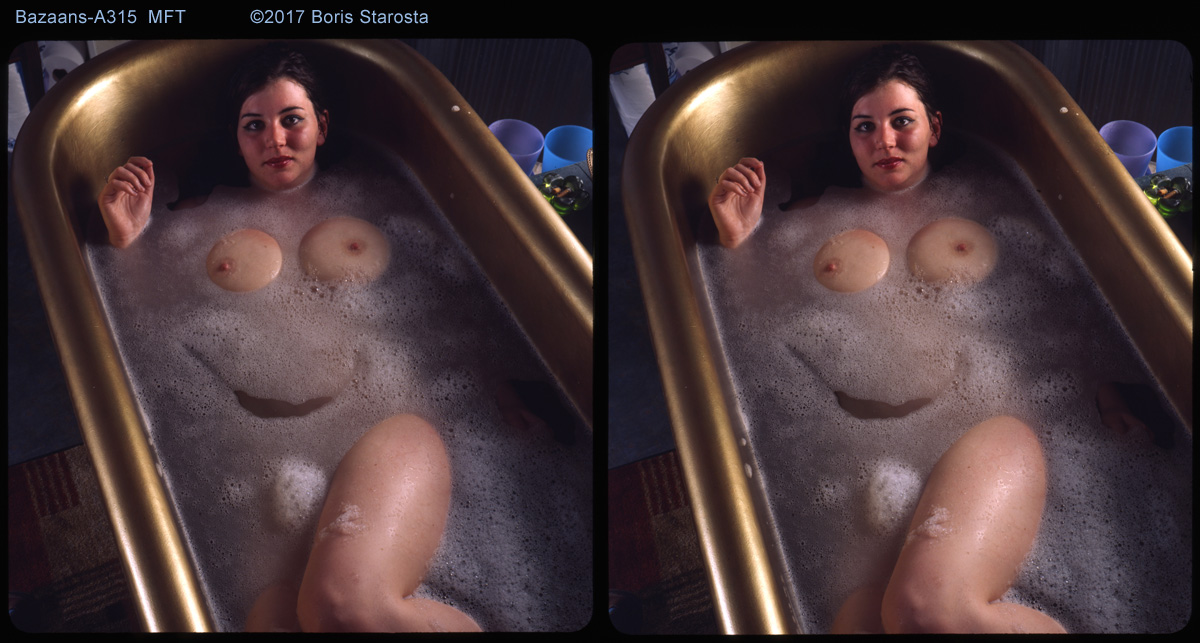
Another model I’ve been working with since 2016, this one is still in town good for more creativity! With her I’ve been trying to explore what I call “Challenged Glamour.” THat’s were I create an image that is nominally an ordinary glamour image, but then I put in some details that disturbs or mocks the normal first impression.
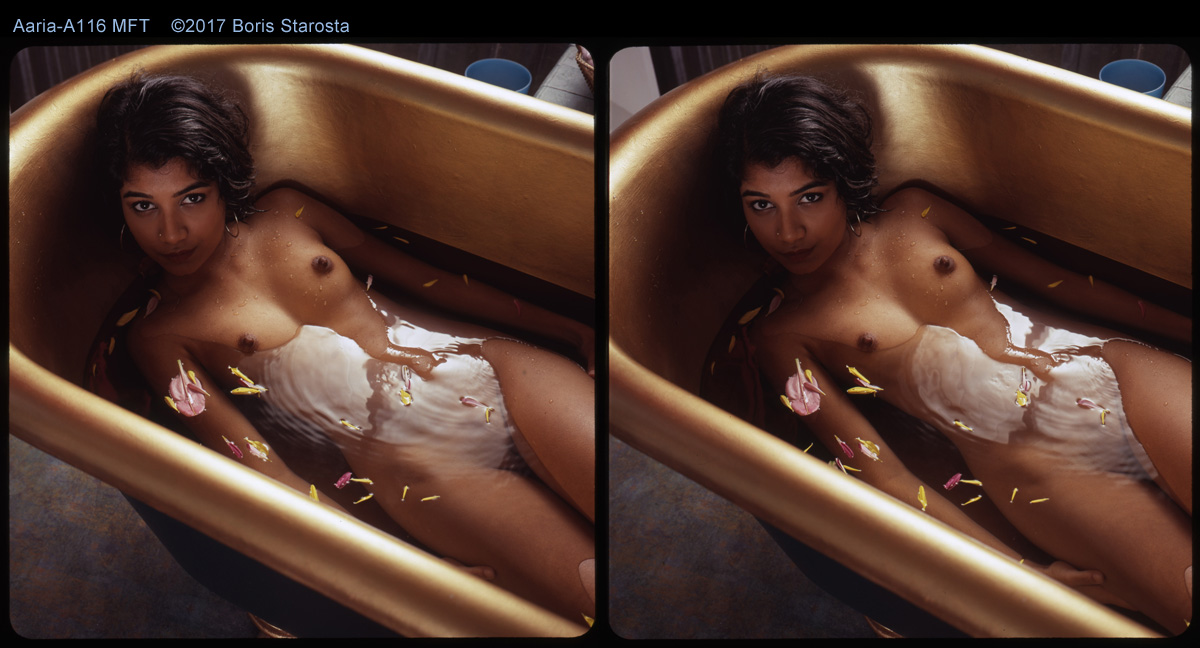
I briefly worked with this lovely model early in 2016. She had some great creative ideas, but sadly we were unable to follow up on all of them, because she ended up leaving town after just a few months. Them’s the breaks working with models – as inconstant as the weather.
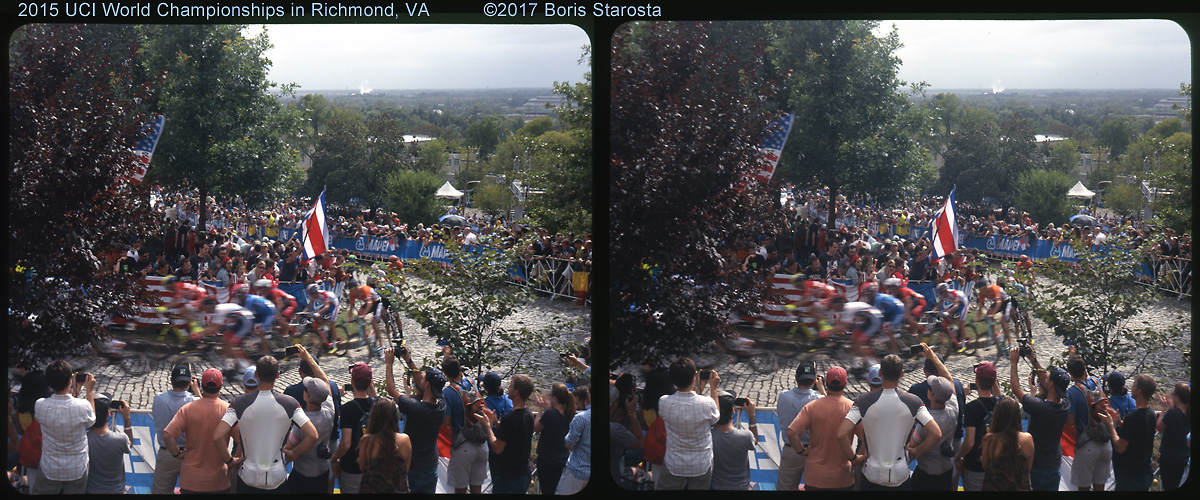
The Union Cyclisme Internationale held its World Championships in Richmond recently, to the great delight of bike racing enthusiasts all over the east coast, but especially central Virginia. This view is overlooks the crowds on Libby Hill, the next-to-last climb on the about ten miles around loop of city streets that the riders raced (but they raced something like 15 laps). Ben King, a Charlottesville native, was in the race (he raced in the Tour De France last year as well), and many C-villains were there to cheer him on.
I shot my pictures of the event all at this basic location. From the very bottom of the hill looking up, and also from halfway up, and then this view looking down. You can make out the cobbled road snaking down left and right through the crowd. This was a very difficult surface to ride on – keep in mind the road is ridiculously steep here, and the cobbles reduce traction on your tires. Coming around these bends, most riders tried to stay in the gutter, which was made of poured concrete – much smoother. But the gutter was only ten inches wide or so, right next to the crowd, thus also presented its own difficulties.
I shot a twinned set of GoPros from this location also, trying to capture the action in 3d video. Alas, one of the cameras was malfunctioning (but I didn’t know it – GoPros will sometimes be failing and not let you know…. not good!), so all I got was the “flat” video:
https://www.youtube.com/watch?v=55ZElh8q-Ws
You’ll hear a lot of noise in the video which is me fiddling with the Sputnik – I was sharing the same tripod with both cameras. A twin camera bar held the stereoscopic GoPro enclosure on one side and the Spud on the other.
 This spindly waterfall on the Sunrise side of Mt Rainier no longer exists. It was wiped out years ago by a mudslide. I think I’m the only one who ever noticed it! I’ve shown this slide to dozens of park rangers over the years and they always ask, “Where is that?”
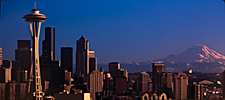 The classic view of Seattle from Kerry Park on Queen Anne hill. Shot with 2 Mamiya Press cameras triggered with an air bulb. At least 10 feet separation and 150mm lenses.
Don Lopp passed away Feb 24, 2019. His mastery of craft and is impeccable eye missed. He was a generous and helpful man. [JRT February, 2019.]
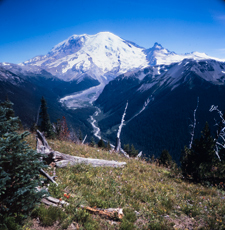 Taken with my homemade camera. Taken from the Sunrise side of Mount Rainier. It’s August, and the flowers are mostly gone. In July there would be red and blue flowers everywhere. I exposed for the foreground, not the mountain.
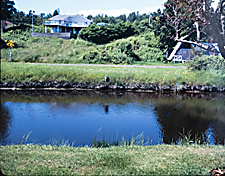 This was a twin camera setup triggered with an air bulb. I can’t remember what cameras they were! But the sync was pretty good.
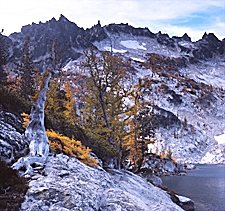 Taken on a backpacking trip to the Alpine Lakes Wilderness, also known as the Enchantment Lakes, or just The Enchantments. I think that’s Lake Leprechuan on the right. My first major outing with my Don Lopp-modified Sputnik. When the larch are turning golden it’s one of the most breathtakingly beautiful spots I’ve ever visited.
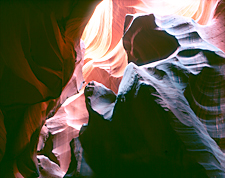 Taken in Corkscrew Canyon on a trip to the Southwest in 2008. TL-120, Provia 100F, f22, shutter speed unrecorded.
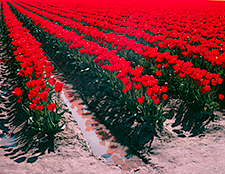 A scene from the 2010 Skagit Valley Tulip Festival. The sun coming from an angle behind the tulips gives them an added luminostiy, and I like the reflections and shadows. TL-120, and Provia 100F. Exposure settings unrecorded.
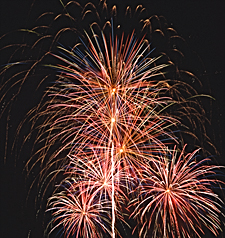 One of my favorite fireworks shots, especially for the fineness of the light trails, and the color. I shared this image with someone who told me it made her feel like she was on top of the magic castle at Disneyland — one of my all-time favorite responses to a 3D slide.
Shot with twin Hasselblad 500Cs sporting 150mm lenses. Approximately 40 foot separation (based on the half mile distance between me and the fireworks, and the fact that we don’t discern any details behind the firworks — otherwise the 40 foot separation would be a problem).
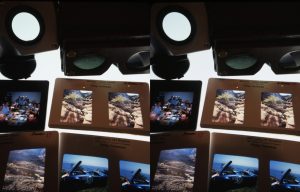
Taken cha-cha with my Fuji GA645W and a CU lens at my light table. This shot has images that have toured the folio before, so if you’ve been around, you’ve seen them in 3D 😉 There’s a nice image of our LA3DClub in there too with some 3D friends that may be your friends too (L-R.. Ray Zone, David Kuntz, myself, John Hart, Lawrence Kaufman, Ed?, ?, Oliver Dean, Cassie Kaufman, ?, ?, Steve Berezin. Fun stuff.