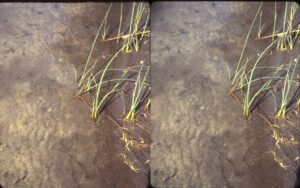
This was taken at on a field trip to Bruneau Dunes State Park, during the NSA convention in Boise 2007, with a “tuned” Sputnik.
This was taken at on a field trip to Bruneau Dunes State Park, during the NSA convention in Boise 2007, with a “tuned” Sputnik.
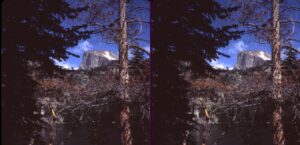
This was taken on a field trip during the NSA convention in 2011, using a “tuned” Sputnik.
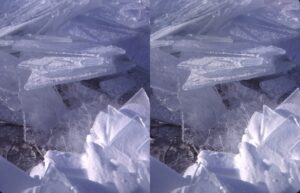
A closer view of some of the ice “breakup”.
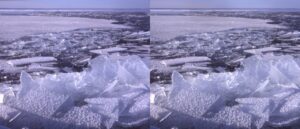
This was taken with a “tuned” Sputnik, along Lake Superior on Minnesota’s “North Shore” a few years back. Although Lake Superior does not freeze over entirely in winter (unlike smaller bodies of water with less wave action), there are typically areas in protected bays that will freeze over for a time. These ice sheets then “break up” periodically and the ice plates pile up near the shore, as seen here. The sound during the breakup is incredible, although I have not had a chance to observe in recent years. Hearing the sounds prior to the breakup when the water motion causes a sort of “belching” under the ice is also quite an experience.
One of my favorite spots to photograph wildlife in South Florida is at Shark Valley, a unit of Everglades National Park. The area was originally developed by Humble Oil, and there is a 15 mile loop road (for trams and bikes), largely bordered by water created when they “borrowed” material to make the roadbeds. It is great habitat for American Alligators and many species of large birds, often close enough for photography with conventional stereo cameras. The birds spend most of their time on the OTHER side of the canal, but visit the near side often for brief photo ops.The land proved useless for oil drilling , so was donated to the US government. Fuji Provia 100 i n TL-120
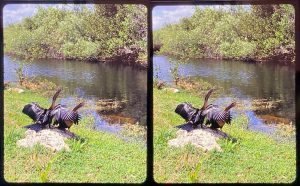
ANHINGA PAIR This image shows two Anhingas (Anhinga anhinga is the scientific name, one of my favorites.) They are excellent underwater swimmers due to lack of oil waterproofing on their feathers; afterward, they need to spread their wings out to dry in an iconic pose.
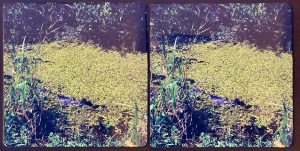
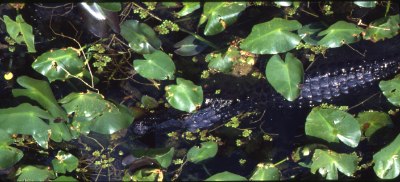
GATOR CAMO This American Alligator is peaking out from under the floating vegetation as it swims down the canal.
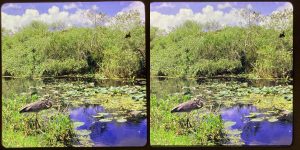
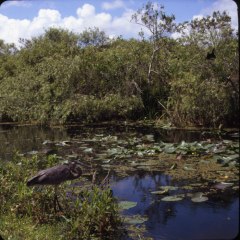
GREAT BLUE HERON AT SHARK VALLEY. This heron is posing at the edge of the canal.
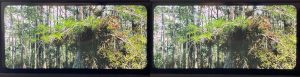
CYPRESS AND BROMELIADS: This was taken in a nearby area, part of the Big Cypress National Preserve. The Cypress trees are conifers but deciduous, dropping their needle-like leaves in the winter, greening up again in the spring. The Cardinal Plant with its bright red bracts is a type of bromeliad (aka pineapple family)
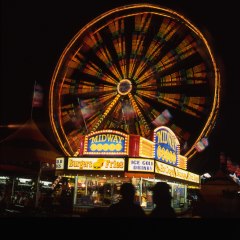
This was taken on the Midway at the Minnesota State Fair in August 2012, using a TL-120, on Provia 100 film. Exposure unrecorded. I really missed being able to visit the fair this year
This American Alligator (Alligator mississippiensis) was photographed with a TL-120 on Provia 100 film, exposure unrecorded. Location is the Shark Valley unit of Everglades National Park, between Naples and Miami Florida. This is one of my favorite places to photograph Florida wildlife.
This pink and white orchid (Cypripedium reginae) is the Minnesota state flower, but not easy to find in the wild. This shot was taken at the MN Landscape Arboretum, with a TL-120 on Provia 100 film. There are also several Columbine blossoms (Aquilegia canadensis) around the base. Exposure unrecorded.
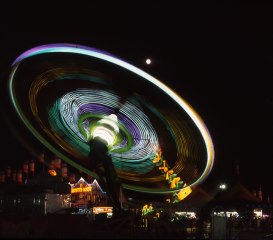
This was taken at the Minnesota State Fair with a TL-120 on Provia 100 film. I do not know the name of the ride. Exposure unrecorded.
Taken at the 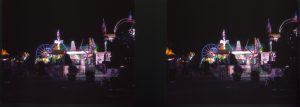 2017 Minnesota State Fair.
TL-120, f/22, approximate exposure 2-3 sec, Provia 100.
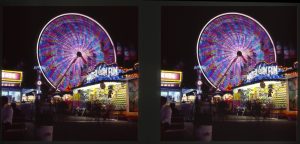 Taken at the 2017 Minnesota State Fair.
TL-120, f/22, approximate exposure 2-3 sec, Provia 100.
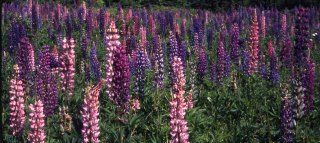
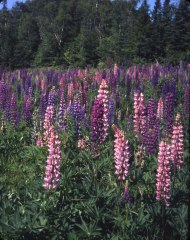
Taken along a trail in the Minnesota Landscape Arboretum. TL-120, Provia 100, exposure unrecorded.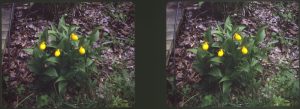
Taken in 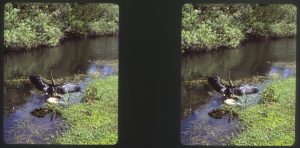 the Shark Valley unit of Everglades National Park, April 2016.
TL-120, Provia 100, exposure unrecorded.
I’ve added these thumbnails so we will have somewhere to hang comments. –John
The work of Linda Nygren of St. Paul, Minnesota